Sunday, June 14, 2015

Get the lead out of your pants!


It’s been years since the Enron disaster and the introduction of the Sarbanes-Oxley Act. Business ethics remain an integral role in the way business is conducted on a global basis; yet when asked to grade CEOs, 79% of people surveyed recently said that CEOs “are ruthless in their pursuit of success.” Only 28% indicated that CEOs have integrity. All of this should be a red flag to anyone in a leadership role about the importance of ethical behavior and integrity.

Leaders who focus on short-term gains rarely endure profitability for long periods of time, let alone retain the best of their employees. What do true leaders do that sets them apart? And what about leading a global workforce that you might never meet face to face?

In person or while working in “the cloud” via online collaboration tools, true leaders are driven by a core set of values:

An inherent and genuine caring for people and a desire to help others achieve
True leaders genuinely value and care about people, and helping others is their primary motivator. The average true leader is able to relate to people at all levels of the company and to respect each for the contributions that they bring to their individual jobs at their respective levels.

A realistic concern for profit and results
“Realistic” is the key word. They are not driven by money alone – they are realistic and driven by practicality. They will evaluate business moves for their utility and economic return – and will be willing to work long and hard to achieve desired results.

Competitive, never ruthless
True leaders are extremely practical; they clearly understand the need to be competitive yet they possess the ability to evaluate each situation to determine how much or little power and control will be exercised. Power does not equate to total control; rather it is exercised with discretion and balance.

A strong desire to control their own destiny and influence the destiny of other
They do not merely focus on controlling their own destiny. They have a system for championing the things they believe in strongly and for helping others to achieve as well.

Resilience
They accept things without taking them personally. They have the resilience to move beyond mistakes, take their hits, pick themselves up and move forward. This resiliency also gives them the courage to stand up for issues of integrity in which they believe.

Don’t starve your racehorses
A man who bought racehorses spent time and money purchasing horses with the best of breeding. Once purchased, he put them in sub-standard stables, fed and cared for them with inferior products, rarely exercised or trained them. He sabotaged his own investment. Yet everyday in business, that’s exactly what happens. Companies seek the best and brightest, yet when ruthless, unethical leaders are in charge, these racehorse talents are turned into niched workhorses often deprived of training or being exposed to projects that would enable them to learn and grow.

Take time
Truly get to know the individuals on your team; make time for genuine small talk. This is an incredible rapport builder.

Delegate
Achievers like to know they are being given opportunities for growth—not just more work.

Recognize achievements
A handwritten note of appreciation or a phone call from the boss may be more motivating than you might ever guess.

Communicate clearly 
Recognize that different people require different communication styles. Adapt your style to more effectively communicate with them.

Listen 
Really, really listen. As one true leader says, “You must listen to learn, then lead.”
Fast Birds Don’t Fly Far 
While all leaders are faced with global competition and ever-changing challenges, it is also important to be aware that some employees will need to process change less rapidly than others.
Foster long-term thinking
Make sure that every team member understands that inevitable change is tied to something bigger that culminates in a very specific end-result. Then make sure each team member clearly understands the role they play in achieving that end result.

Encourage seeking experienced thinking
Blend new, fresh thinking individuals with those who have experience and wisdom to expand the possibilities and to avoid reinventing the wheel.

Eliminate blame
Mistakes will be made. Create an environment where people feel free to admit mistakes. When a leader truly eliminates blame, he makes great strides toward establishing trust.

Remove politics. 
Nip it in the bud; demonstrate right up front that politics will not be tolerated. When politics are ignored or allowed, trust is eroded.

Mentor and Coach.
Far too many individuals have encountered only “reverse mentors,” those who they understandably never want to be like. Make sure you’re not one of them. Don’t leave it all up to the human resource department. Benchmark the attributes that are best suited for success in the job and then make sure the candidate meets the benchmark. Use assessments to validate or reveal hidden characteristics that may not show up on traditional hiring requirements. Never, never be swayed solely by that “great interview.”

Don’t clone yourself
Every team needs diverse thinking to cover all the bases.
Do What’s Right and Tell the Truth
One’s ability to do what’s right and tell the truth is the greatest signal of leading with integrity and ethics.
Admit your mistakes
Even the boss makes mistakes. How you handle your own mistakes will set the tone for the rest of our team.

Be accountable
If you’re the manager of sales and the expected revenue isn’t met, don’t place the whole blame on your team. What could you have done differently or better to help your team meet the goal? As the leader, ultimately, you are accountable. Demonstrate that you are and you will have earned the right to expect accountability from everyone else on your team.

Be willing to tell the truth to individuals on your team 
It’s easy to tell the truth when someone is doing a great job and demonstrates great talents. It’s harder to tell the truth when an employee thinks they are suited for something that you know they’re not. During these difficult times, do both yourself and the employee a favor and tell them the truth. Do it honestly, with compassion and care, so they can grow in the direction they are better suited for. And, in the case of a wrong hire, do it early.

We are living and working “in the cloud” and the IoT (Internet of Things) where the ethics and integrity of leadership continues to come into question - faster and bigger than ever before. We are living in the world of the errant Tweet, the YouTube video in bad taste, and the hacked email account, and we are all on stage 24 x 7 x 365.  

There is no greater time to be a true leader, face to face or otherwise.


Sunday, May 17, 2015

Captain Cumulus is Born


Head-in-the-clouds.jpg


Cloud Geek: An IT guy that thinks that every solution is "in the cloud"


Dude1: I can store my pictures in the cloud!
Dude1: I can store my bank records in the cloud!
Dude1: I can do my taxes in the cloud!
Dude1: I send my email in the cloud!
Dude1: I can sell my stuff in the cloud!
Dude2: You are such a cloud geek!

Just a few years ago, “to have your head in the clouds” had the following meanings:


  1. To be daydreaming and not paying attention to what is happening or being said.
MEANING
To be out of touch with the everyday world and to be unrealistic because of it.
To be living in a fantasy (world).
To have impractical ideas or dreams. Sometimes the person doesn't know the facts or reality of the situation.


  1. To be out of touch with the everyday world and to be unrealistic because of it.
MEANING
To be daydreaming and not paying attention to what is happening around you right now.
You are physically present but your mind and thoughts are somewhere else.
You are distracted from the present.


  1. To have impractical ideas or dreams.
MEANING
To be Larry Page, Sergey Brin, Elon Musk, Jeff Bezos, Bill Gates, Steve Jobs, Salman Khan, etc.


Did you catch that last one?  Google. PayPal. Amazon. Microsoft. Apple. Khan Academy. These young companies, born out of impractical dreams - now household names - would not exist if it were not for “the cloud” and its nebulous definition.  HA! Nebulus, get it?


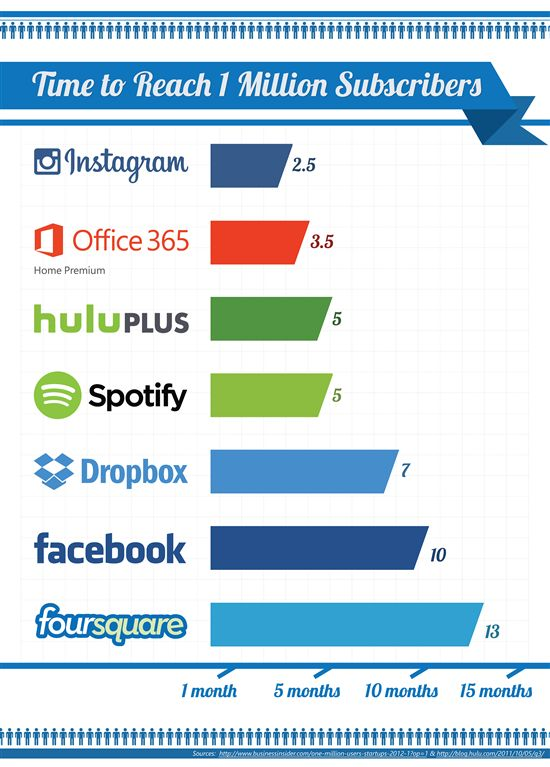
Do you use Gmail?  Google Apps? Office 365?  Microsoft's Office 365 subscription version is so popular with customers that it reached one million subscribers faster than many popular online services have, the company has claimed. Faster than Facebook!


What is the cloud? Where is the cloud? Are we in the cloud now? These are all questions you've probably heard or even asked yourself. The term "cloud computing" is everywhere. In the simplest terms, cloud computing means storing and accessing data and programs over the Internet instead of your computer's hard drive.


The cloud is now just a metaphor for the Internet. It goes back to the days of flowcharts and presentations that would represent the gigantic server-farm infrastructure of the Internet as nothing but a puffy, white cumulonimbus cloud, accepting connections and doling out information as it floats around in the sky.


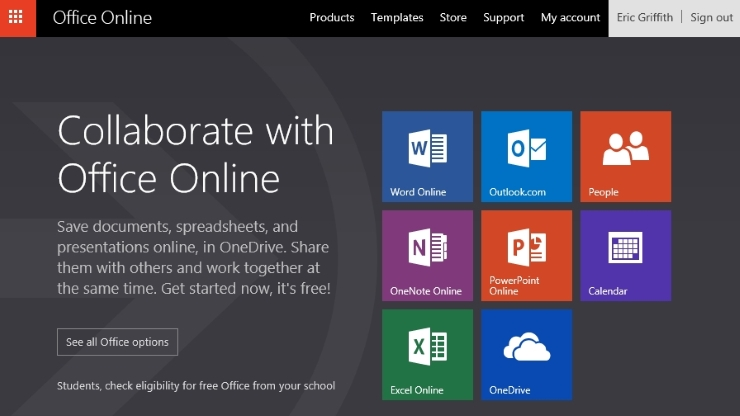
The lines between local computing and cloud computing sometimes get very blurry. That's because the cloud is part of almost everything these days. You can easily have a local piece of software (for instance, Microsoft Office 365) that utilizes a form of cloud computing for storage (Microsoft OneDrive). Microsoft also offers a set of Web apps, now called Office Online, that are online-only versions of Word, Excel, PowerPoint, and OneNote accessed via your Web browser without installing anything. That makes them a version of cloud computing (Web-based = cloud).


Some examples of cloud computing you're probably already using:


Google Drive: This is a pure cloud computing service, with all the storage found online so it can work with the cloud apps: Google Docs, Google Sheets, and Google Slides. Drive is also available on more than just desktop computers; you can use it on tablets or on smartphones, and there are separate apps for Docs and Sheets, as well. Most of Google's services could be considered cloud computing: Gmail, Google Calendar, Google Maps, and so on.


Apple iCloud: Apple's cloud service is primarily used for online storage, backup, and synchronization of your mail, contacts, calendar, and more. All the data you need is available on your iOS, Mac OS, or Windows device (Windows users have to install the iCloud control panel). Apple won't be outdone by rivals: it offers cloud-based versions of its word processor (Pages), spreadsheet (Numbers), and presentations (Keynote) for use by any iCloud subscriber. iCloud is also the place iPhone users go to utilze the Find My iPhone feature that's all important when the phone goes missing.


Amazon Cloud Drive: Storage is mainly for music, preferably MP3s that you purchase from Amazon, and images. If you have Amazon Prime, you get unlimited image storage. The Cloud Drive also holds anything you buy for the Kindle. It's essentially storage for anything digital you'd buy from Amazon, baked into all its products and services. Hybrid services like Box, Dropbox, and SugarSync all say they work in the cloud because they store a synced version of your files online, but most also sync those files with local storage. 

Synchronization to allow all your devices to access the same data is a cornerstone of the cloud computing experience, even if you do access the file locally. It can be considered cloud computing if you have a community of people with separate devices that need the same data synched, be it for work collaboration projects or just to keep the family in sync.


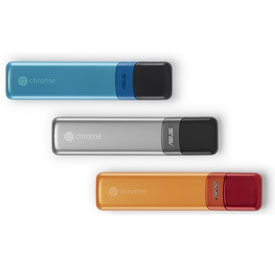
Cloud HardwareAsus Chromebit
Right now, the primary example of a device that is completely cloud-centric is the Chromebook. These are laptops that run the Chrome OS, which is essentially turning the Google Chrome Web browser into an operating system. With a Chromebook, most everything you do is online: apps, media, and storage are all in the cloud. Coming soon are Chrome Bits, smaller-than-a-candy-bar drives (pictured) that turn any display with an HDMI port into a usable computer running Chrome OS. You may be wondering what happens if you're somewhere without a connection and you need to access your data. This is currently one of the biggest complaints about Chrome OS, although its offline functionality is expanding.

Steve Wozniak


Arguments Against the Cloud

The ISPs, telcos, and media companies control your access. Putting your faith in the cloud means you're also putting your faith in continued, unfettered access. You might get this level of access, but it'll cost you. And it will continue to cost more and more as companies find ways to make you pay by doing things like metering your service: the more bandwidth you use, the more it costs. Maybe you trust those corporations.


There are plenty of other arguments against going into the cloud 100%. Apple co-founder Steve Wozniak decried cloud computing in 2012: "I think it's going to be horrendous. I think there are going to be a lot of horrible problems in the next five years," he said. When there are problems at a company like Amazon, which provides cloud storage services to companies like Netflix and Pinterest, it can take out all those services (as in the summer of 2012). Last year outages afflicted Dropbox, Gmail, Basecamp, Adobe, Evernote, iCloud, and Microsoft. Usually for just down for a few hours. But what if it was down for days? Or worse?


cloud1555x1235030614.jpg

Wozniak is also concerned about the intellectual property issues. Who owns the data you store online? You or the company storing it? Many times there has been controversy over the changing terms of service for companies like Facebook and Instagram regarding what they get to do with your photos. There's also a difference between data you upload, and data you create in the cloud itself; a provider could have a strong claim on the latter. Ownership is a relevant factor.

There's no central body governing use of the cloud for storage and services. The Institute of Electrical and Electronics Engineers (IEEE) is trying to create one. IEEE Cloud Computing Initiative in 2011 to establish standards for use, especially for the business sector. Last year's Supreme Court ruling against Aereo could have told us a lot about copyright issues in the cloud... but the court sidestepped the issue. For now.


Cloud computing—like so much about the Internet—is a little bit like the Wild West, where the rules are made up as you go, and you hope for the best. Ah yes, the Wild West. What would Gotham City be like without Batman? What we need - what all of us need - is a Super Hero. Yeah, that’s it. Someone we can count on to show us the way, to protect us, to guide us. Someone who will BE THERE for us, as we work, live and play “in the cloud”.


Coming in June…www.CaptainCumulus.com

captain.jpg

Sunday, April 26, 2015

Teacher's Pet

LinkedIn to Acquire lynda.com
Mountain View, Calif. – April 9, 2015 – LinkedIn (NYSE:LNKD), the world’s largest professional network on the Internet with more than 300 million members worldwide, today announced that it has entered into an agreement to acquire lynda.com, a leading online learning company teaching business, technology and creative skills to help people achieve their professional goals. Based in Carpinteria, CA, lynda.com was co-founded in 1995 by Lynda Weinman and Bruce Heavin.
The transaction is valued at approximately $1.5 billion, subject to adjustment, in a combination of approximately 52 percent cash and approximately 48 percent stock.  Subject to the completion of customary conditions, the acquisition is expected to close during the second quarter of 2015.
Welcome to the LinkedIn Family, lynda.com!


LinkedIn + lynda.com: Connect to Learning


Thank you, Jeff. Thank you Lynda and Bruce. You have made today’s blog post the easiest one for me to write since I started blogging Sunday mornings around five years ago.


For those of you who know me, since becoming the Executive Director of the www.NYDLA.org my “battle cry” has been: EVERYTHING IS DISTANCE LEARNING. I have been selling telecom and technology since 1983. I have watched the worlds of business and education morph and become reinvented many times. 


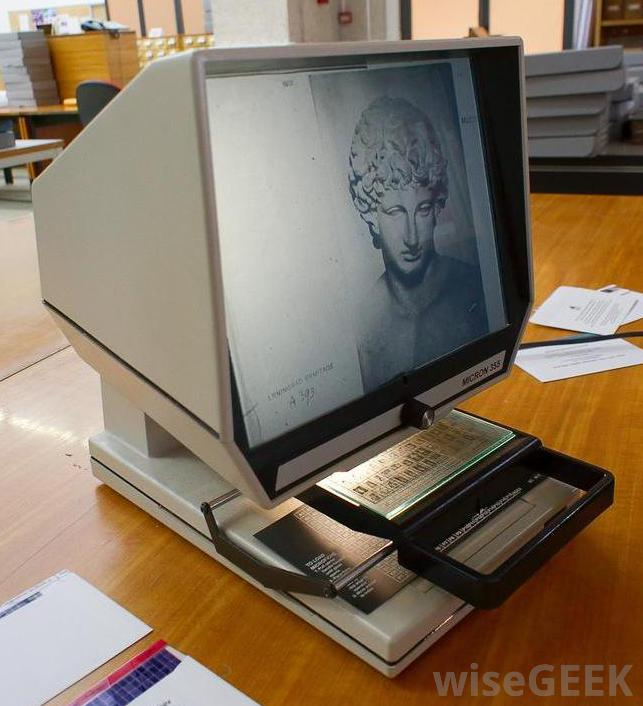
I watched how a college campus would once be judged by the size of its library; now it is judged by the speed of its wireless internet. I watched “the stacks” and Microfiche readers become replaced by iPads and YouTube videos accessing sites such as Khan Academy. I watched Google for Education come to life, and the birth of the Microsoft Cloud. I was a witness to the smartphone revolution, and the voice-enabled personal assistant trend. 


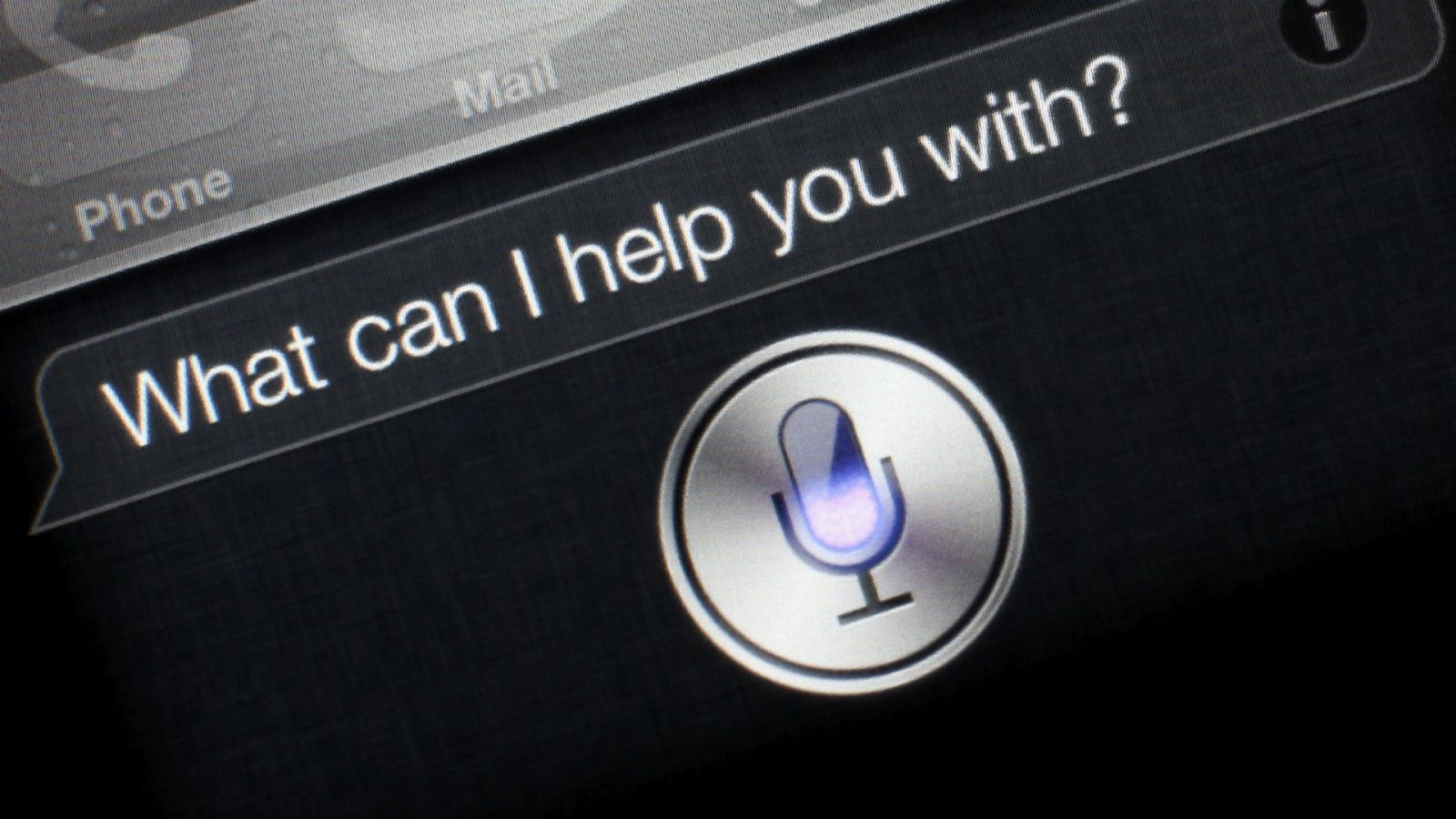
Siri: Apple’s Siri is a fully voiced assistant that’s been available to iPhone users since the inception of the iPhone 4S, offering users the freedom to ask questions, set up appointments and reminders, and interact with the sassy digital diva by setting up a nickname and more.


Cortana: Microsoft’s assistant is based off of the character of the same name from Microsoft’s Halo video game franchise. Featuring voice actress Jen Taylor, Cortana is available to anyone using Windows Phone 8.1. In some cases, you’ll receive your results with a computer-generated voice that is, admittedly, a lot less interesting than Taylor’s.

Google Now: Google Now is all about easy access and simplicity. When triggering voice commands, you can simply say, “OK, Google…” and then give your command. Like Siri and Cortana, you can look up info online, but Google Now is also good at delivering personal recommendations based on your search history and preferences. With just a few words, you can pull up YouTube videos, or TED.com talks on just about any topic, and watch them from anywhere in the world. And don’t get me started about TED.com! What an amazing happy accident, as they say. No one could have predicted the billions of views TED.com talks have earned over the years.

 The worlds of education and business are now so deeply intertwined that you cannot tell where one begins and the other ends. We are all lifelong learners. Knowledge, technology and talent have become the coin of the realm, now matter your age, your social status, or geography. You need all three to survive (and thrive) in today’s global economy. Knowledge, technology and talent. Two out of three is just not good enough.

You can observe a lot by just watching ~ Yogi Berra


I am one of LinkedIn’s first 100,000 members. I watched them grow into a company that can make a $1.5 billion dollar purchase without breaking a sweat. I watched companies like Google, Apple, Microsoft become household names.


Take the time to read the posts from Jeff and Lynda above. Watch the video from the CEO of LinkedIn, it is only a few minutes long. It explains why a company would spend $1.5 billion (and more) to buy a leading online learning company teaching business, technology and creative skills to help people achieve their professional goals.

I guess “Everything Is Distance Learning” after all.

Saturday, April 4, 2015

TED Talks

Everything in life happens for a reason. Everyone you meet in life, you meet for a reason. Especially teachers.


If you did not know, TED.com is a nonprofit devoted to spreading ideas, usually in the form of short, powerful talks (18 minutes or less). TED began in 1984 as a conference where Technology, Entertainment and Design converged, and today covers almost all topics — from science to business to global issues — in more than 100 languages.


With over 32 million views, Creativity expert Sir Ken Robinson leads the pack with the most viewed TED talk of all time. He challenges the way we're educating our children. He champions a radical rethink of our school systems, to cultivate creativity and acknowledge multiple types of intelligence. You can watch his TED.com talk here:


Onstage at TED2013, Sugata Mitra made his bold TED Prize wish: Design the School in the Cloud, a learning lab in India, where children can explore and learn from each other -- using resources and mentoring from the cloud. His inspiring vision for Self Organized Learning Environments, earned him the TED.com prize. You can watch his TED.com talk here:


As the Executive Director of the NYDLA.org I was introduced to the world of Alternative Education (or Democratic Education) via Tamra Excell, NYDLA.org Board Member and founder of www.CMASAS.org 

Inspired by her life, and acting in her memory, The Christa McAuliffe School of Arts and Sciences honors Christa McAuliffe by educating the next generation of leaders, scientists, philosophers, artists, and others to be fully-prepared for the dynamic world of the 21st Century.


CMASAS.org opened in July 2009 and is headquartered in Lake Oswego, Oregon and is the culmination of over 25 years of combined experience, knowledge, and perseverance in alternative education. They combine the latest in online educational technology, integrated various online curricula, with the Personalized Education Philosophy.


Sir Ken Robinson. Sugata Mitra. Christa McAuliffe.
Everything in life happens for a reason.


The AERO conference is a unique event. There is no other one like it in the USA. It is a gathering of people who are involved with revolutionizing education, and who already have some of the answers. They demonstrate and work toward a learner-centered approach, one that empowers students, teachers and parents. It is based on the fact, confirmed by brain research, that children are natural learners and do not need to be forced to learn. In fact, if students are forced to learn it extinguishes their natural ability to learn, something that, unfortunately, happens in 95% of all schools.
One of this year's keynote speakers is Sugata Mitra, the very same winner of the TED Prize mentioned above, famous for the "Hole in the Wall Experiment" in which he put a computer in a wall in a slum area of India. Over the next few months the children not only taught themselves to use the computer, but also taught themselves English!


Sir Ken Robinson presented at previous AERO events:


I am proud to announce that this year’s NYDLA.org 2015 New York City Regional Conference shall be held in partnership with AERO. It will be my great honor and privilege to share the stage and give a keynote address with such amazing thought leaders in the world of alternative education. I will continue to blog on this as the event comes closer.

Don't Miss the NYDLA.org AERO Conference, May 20-25 at LIU/Post University, near New York City!  See www.NYDLA.org/events for more details.  

Sunday, March 22, 2015

And then there were none

March Madness Part II


And then there were none.

In the 35th game of the NCAA tournament, the final perfect bracket fell. A 26-year-old sign language interpreter from Cleveland picked his favorite team -- Ohio State -- to beat Arizona. The Wildcats bested the Buckeyes 73-58 Saturday night.

On Friday night, the man who became the sole ESPN.com entrant with a perfect bracket through the round of 64 was checking his phone from a salsa club, reloading the final scoreboards to make sure he still had every game correct.

By day's end, Malachi, who asked to keep his last name anonymous out of privacy concerns, had the only one out of 11.57 million brackets with every team still in green. You can read the entire article HERE

11.57 million brackets filled out. Over 11 million people took the time, did the research, asked for advice, and filled out a NCAA tournament bracket. And of course, after submitting the bracket, they all paid close attention to see how far they would get.

In the time that it took them to do this, they could have opened a new business.

See my blog from earlier this month (scroll down). 

Never has it been so easy to start a business. Never has it been so easy be mentored, to be coached, to be guided on how to launch, run and grow a thriving business. 

One of last year's "Build A Business" winners launched their store in ONE DAY. That's right, from start to finish, they opened their new store and began taking orders in less than 24 hours. They had a idea. They took a shot. They got off the bench, and into the game. 
The NCAA Tournament is in the "Sweet Sixteen" phase. Our "Build A Business" 2015 contest is in the "Terrific Ten" phase. You have until March 31st to take a free trial of Shopify and start a business. Get off the bench. Get into the game. Your coaches are waiting for you, but they can only match your energy. 

If you are a member of the NYDLA.org you have DOUBLE the chances to win - as we shall be taking 5 lucky members of the NYDLA.org to Necker Island. It will cost you nothing to enter the contest, just like filling out a bracket for the NCAA Tournament. 11.57 million brackets filled out. 

Wow, just think about 11.57 million new businesses. 

Got questions? Send an email to NeckerIsland@NYDLA.org

You never know what will happen if you try. You only know with 100% certainty what will happen if you don't even take a shot. 


On Necker Island, you’ll be joined by this year’s mentors: Tim Ferriss, Richard Branson, Daymond John, Marie Forleo, and special guest Seth Godin. You’ll receive personalized, invaluable advice and guidance from each of them to help you continue to grow your business.